Pick up almost any consumer product and the secondary packaging is the first thing you experience. Before the formula, before the texture, before the scent, there’s the box. Brands invest heavily in what goes inside, but the carton itself often gets finalized last, treated as a logistics detail rather than a brand decision. By the time it gets real attention, the timeline is tight and the creative options have narrowed.
Secondary packaging plays a bigger role in the customer experience than many brands give it credit for. At the point of purchase, the carton has to communicate what the product is and convey quality. Even before that, it needs to hold up through supply chain handling.
How Secondary Packaging Speaks for the Product
A folding carton communicates before the consumer realizes it’s happening. The finish, the weight, and the way it holds its shape on shelf and in customers’ hands all register as a quality judgment before a single word of copy gets read. That’s a lot riding on something that often gets treated as a production afterthought.
Teams that plan secondary packaging early tend to have better branding and spend less doing it. When packaging is part of the conversation from the start, there’s time to evaluate substrate options and align finishing choices with both the brand vision and the production budget.

Where Folding Carton Programs Get Complicated
Most folding carton challenges don’t start on the press. They usually come from previous design decisions that didn’t account for production realities.
– SKU proliferation that requires consistent color across multiple substrates and run sizes
– Regulatory compliance requirements, particularly in pharma and cannabis, that govern panel content and leave little room for design flexibility
– Sustainability targets that affect material selection, coating choices, and supplier qualifications
– Launch timing that forces production decisions before final artwork or component specs are locked
– Retail and e-commerce requirements that sometimes call for different structural configurations of the same carton
Getting a production partner involved early makes most of these easier to work through.
Why Design Decisions Affect the Whole Run
Design and production feel like two separate phases, but in secondary packaging, they’re interdependent. The further into the design process you get without production input, the more constrained the options become on the back end.
Substrate selection is one of the earliest decisions with the longest reach. The board weight and coating on a folding carton affect how it prints, how it folds, how it holds up in a distribution environment, and how it performs against sustainability requirements. A substrate that photographs beautifully in a mockup may behave differently under high-speed folding and gluing, or may not be compatible with a particular finishing process.
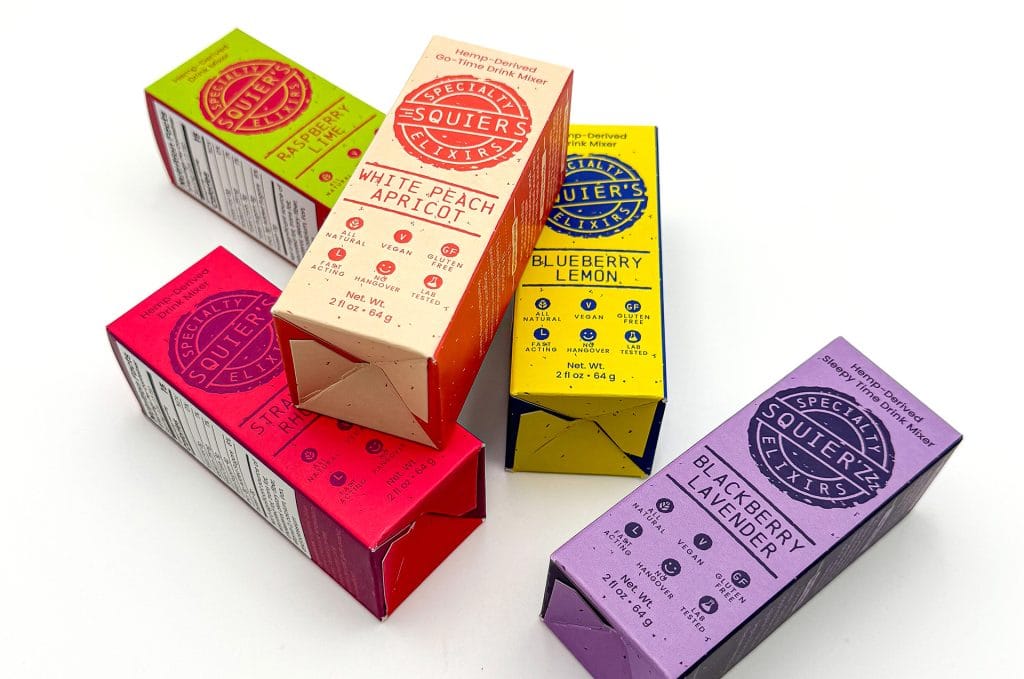
There are also structural engineering decisions. The dieline determines how a carton assembles, how securely it closes, and how efficiently it runs through automated packaging lines. A box that requires manual assembly at scale adds cost and time. A structure that doesn’t close cleanly under shelf conditions creates a quality problem that shows up at retail
Structural and material considerations worth locking in before creative is finalized:
– Board weight relative to product weight and distribution method
– Closure type and whether it needs to be tamper-evident or child-resistant
– Compatibility between substrate and planned finishing processes
– Panel dimensions relative to required copy and compliance language
– Assembly requirements and whether the structure supports automated line speeds
Finishing for High-Impact Branding
Finishing is where folding cartons go from functional to memorable. Embossing, foil stamping, soft-touch laminate, spot UV, and textured coatings all change how a carton reads in person. They affect whether a product feels premium or standard before a consumer ever opens it.
Finishing choices have production implications. A soft-touch laminate requires a different substrate than a gloss coat. Foil stamping adds a press pass. Certain coatings aren’t compatible with specific board weights. None of that is prohibitive, but it all affects how long your job takes and what it costs.
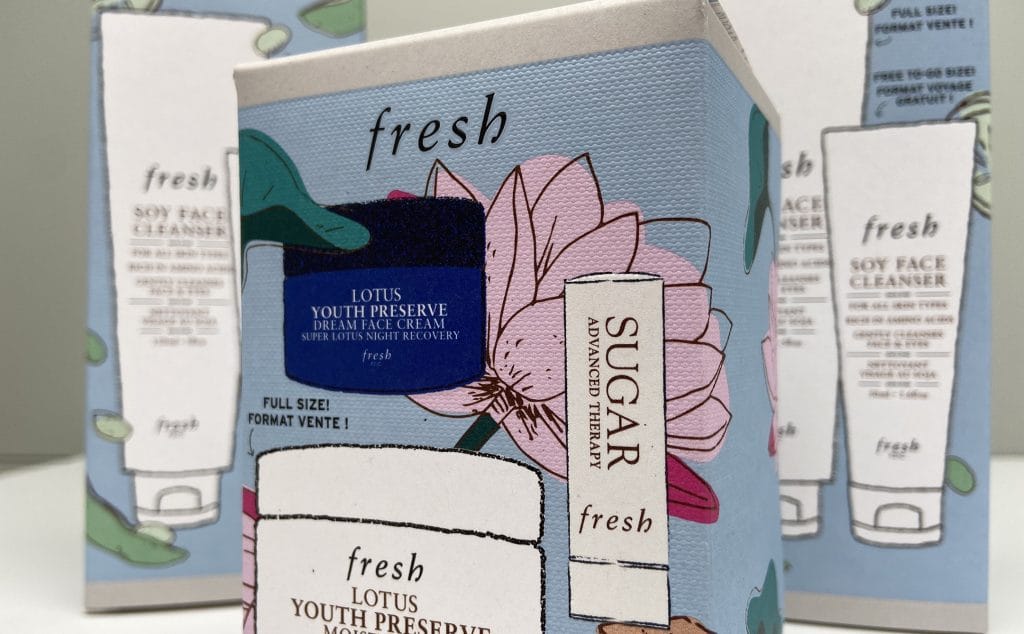
If you’re deciding on finishing as a final layer once everything else is settled, your options narrow fast. Bringing it into the structural design conversation early keeps more of them open and cuts down on late-stage surprises.
What to Look for in a Folding Carton Partner
Not every print vendor is built for the complexity that secondary packaging brings. You need a true production partner with the quality and capability to deliver consistently at the volumes and timelines your program requires.
When you’re evaluating partners, look for:
– In-house structural engineering and prototyping, so design and production conversations happen together rather than in sequence
– Category experience in industries where regulatory and sustainability requirements add complexity, including pharma, beauty, and food and beverage
– Quality control systems that maintain color consistency and structural integrity across high-volume runs
– Warehousing, fulfillment and distribution infrastructure, so finished cartons move directly into your supply chain without an additional handoff
If you’re managing multiple SKUs, channels, or markets, working through a single production partner keeps quality standards consistent and takes the coordination burden off your team.
Hatteras produces folding cartons for brands across beauty, wellness, pharma, food and beverage, and retail. We handle structural design, printing, finishing, and fulfillment under one roof. Ready to get your next folding carton program going? Speak with our team today.