Get the Best Printing, Packaging and Fulfillment Services from One Trusted Partner

Postage is typically the largest single expense in a direct mail campaign. With the USPS continuing to increase rates as part of its “Delivering for America” 10-year plan, managing postage costs has become even more critical for marketers. Brand teams scrutinize creative and production costs at every stage of planning, but postage often gets accepted as a fixed number rather than something to actively manage. For brands running campaigns at volume, the gap between an unmanaged postage spend and a well-structured one can add up fast.

Most of the available savings don’t require cutting back on quality or reach. They come from decisions made earlier in the process around how the team maintains the list, how the designer approaches the piece, and how the mail enters the postal system. Hatteras handles over 150 million mail pieces per year, and the savings our clients capture consistently come from five best practices.


Start with a Clean List

Every piece mailed to a bad address costs postage without any chance of a return. At scale, even a modest percentage of outdated or duplicate records translates into a clear waste of budget. List hygiene is the foundation of an efficient campaign, and its impact on postage is direct.

Three processes work together here:

    1. 1. CASS (Coding Accuracy Support System) certification standardizes addresses against the USPS database, improving deliverability and qualifying mail for automation discounts.
    1. 2. NCOA (National Change of Address) processing updates records for recipients who have moved within the past four years, catching one of the most consistent sources of wasted postage.
  1. 3. De-duplication removes duplicate records before a job goes to print, so you don’t pay to mail the same household twice.

Running all three before every campaign, not just at initial list acquisition, keeps the mailing data current and the postage spend honest.


data processing illustration for direct mailing campaigns


Design for Postal Automation from the Start

USPS rates reward pieces that move through automated sorting equipment without manual handling. Pieces that fall outside standard size and weight parameters get assessed surcharges that add per-piece costs across an entire run.

Standard letter and flat sizes generally qualify for the lowest automation rates. Square envelopes and oversized formats often trigger non-machinable surcharges. A self-mailer with a creative fold can achieve a distinctive presence while staying within automation-friendly dimensions. A large flat envelope carrying the same design might cost noticeably more to mail.


an example of a direct mail marketing campaign designed and fulfilled by Hatteras


Weight is the other variable most brands underestimate. Paper stock choices and insert counts affect postage class. Even small adjustments to substrate weight can move a piece from one rate tier to another. A print and mail partner brought into the design conversation early can identify those implications before creative is locked, when changes are still inexpensive to make.

For example, when Spark44 was developing its Faces of Jaguar campaign, Hatteras evaluated finishing options well before production was locked. The conversations that happen before a design is final consistently cost less than the ones that happen after.


Drop Ship Closer to the Destination

Standard mail enters the postal stream at a local processing facility and travels through the USPS network to reach its destination. Drop shipping bypasses part of that journey by delivering presorted mail directly to the postal facility closest to where recipients actually are. The shorter the distance USPS has to move the mail, the lower the postage rate.

For national or regional campaigns, drop shipping to multiple destination entry points, called SCFs (Sectional Center Facilities) or DDUs (Destination Delivery Units) in postal terminology, can generate notable per-piece savings. The logistics require more coordination though, since mail has to be sorted, palletized, and transported to multiple facilities. A print and mail partner with established distribution infrastructure handles that complexity without it landing on the brand team.


Presort for Bulk and Automation Discounts

USPS offers lower rates for mailers who sort their mail by zip code before it enters the postal stream. Presorting allows USPS to skip their own sorting step, and the savings get passed directly to the mailer. The more finely sorted the mail, the deeper the discount available.

Accessing presort discounts requires meeting USPS volume minimums and working with a USPS-certified mailer who can manage the sortation process. Hatteras holds USPS mail service provider (MSP) certification and manages presort across the campaigns it handles, which means clients access the deepest available rates without managing postal logistics in-house.


Take Advantage of USPS Promotions and Incentives

USPS runs annual promotions that offer postage discounts for mailpieces incorporating specific features. Discount amounts can run up to 5%, and applied across a large campaign, the savings add up quickly.

Active promotions have included discounts for pieces that incorporate tactile or sensory finishes, as well as incentives for Informed Delivery campaigns, where USPS emails recipients a digital preview of incoming mail before it physically arrives. Mobile shopping integrations tied to the physical piece have also qualified in recent cycles.

Promotions change year to year, carry specific eligibility requirements, and require enrollment before a campaign mails. Brands that aren’t tracking the current promotional calendar miss discounts that are fully available with advance planning.


Where the Savings Compound

Each of these levers delivers savings on its own. The compounding effect comes from applying all five to the same campaign:

– A clean list eliminates wasted postage at the unit level. –

Automation-friendly design keeps the base rate as low as possible. –

Presort discounts reduce the rate further. –

Drop shipping to destination entry points adds another layer of savings. –

USPS promotions reduce the rate on top of everything else. –

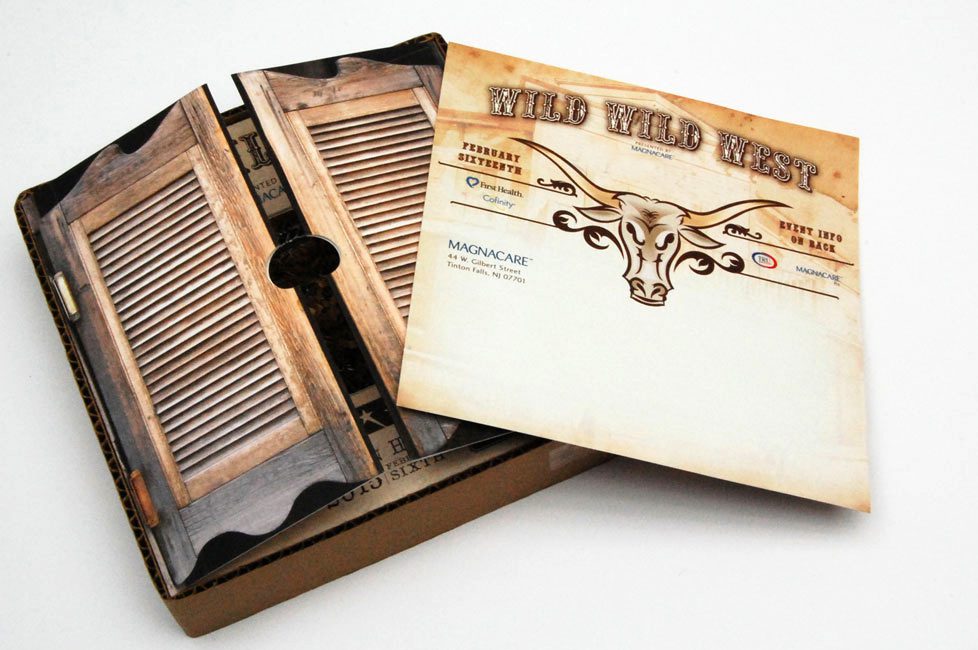
A recent MagnaCare campaign shows what close coordination looks like. Variable data, personalization, and a tight turnaround required Hatteras and MagnaCare to work together from the earliest planning stages, not just at the production handoff. As Bryan Irland, VP of Marketing at MagnaCare, put it: “Hatteras is not just our printer, they are our partner.” Postage optimization works the same way. It happens at the planning stage, not after the campaign is already in motion.


Ready to get more out of your next direct mail campaign?

Hatteras manages the full process from list hygiene and design consultation to presort, drop shipping, and USPS promotion enrollment. With over 150 million mail pieces processed annually, we know where the savings are and how to capture them. Start your project today.

Marketers: don’t overlook the impact of dimensional print! 

In addition to the endless possibilities dimensional print offers, 3D pieces invite interactivity which gives your audience more time to interact with your message or brand. High levels of interactivity increase psychological ownership and retention, which in turn can increase sales or whatever the desired outcome may be. 

Below are just some of the ways you can incorporate dimensional print into your marketing efforts.
Direct Mail

Dimensional mailers are those that mail flat, then pop into 3D shapes when opened. Rather than announcing your new store opening with a standard direct mail postcard, for example, send your top customers an invitation that pops into the shape of a storefront. Promoting season tickets to your local concert venue? Rather than blasting out the usual email, send loyal patrons a 3D mailer with pullouts, flaps, and pockets that allow them to explore different areas of the venue interactively.
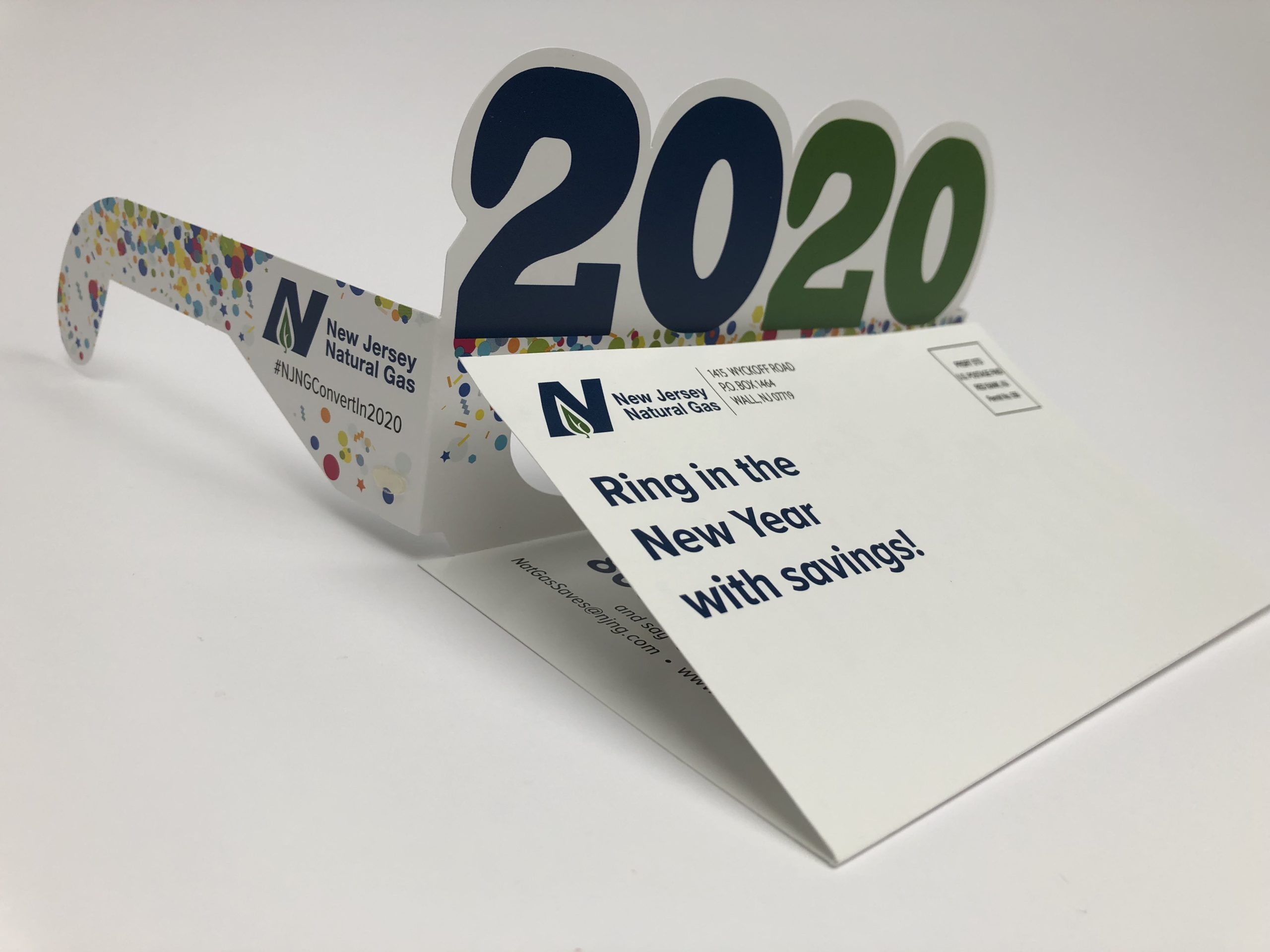
Invitations

Why should all invitations look the same? For the annual fundraiser, go all out. Instead of using the traditional letter to invite high-end donors to your annual black-tie event, deliver them a personalized ticket with metallic embossing in a luxurious box.
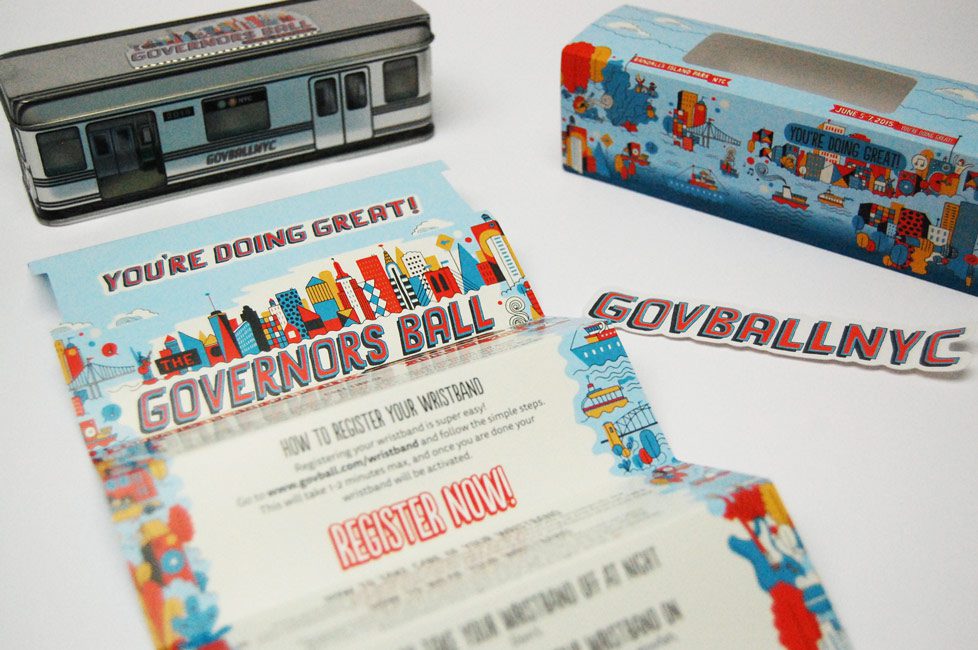
Table Tents

These highly visible marketing pieces are “can’t miss” in the center of a table. Whether it’s at a restaurant or corporate retreat, use table tents to promote products, services, or upcoming events. When those tables are filled with guests, you can make a huge impact!

Packaging

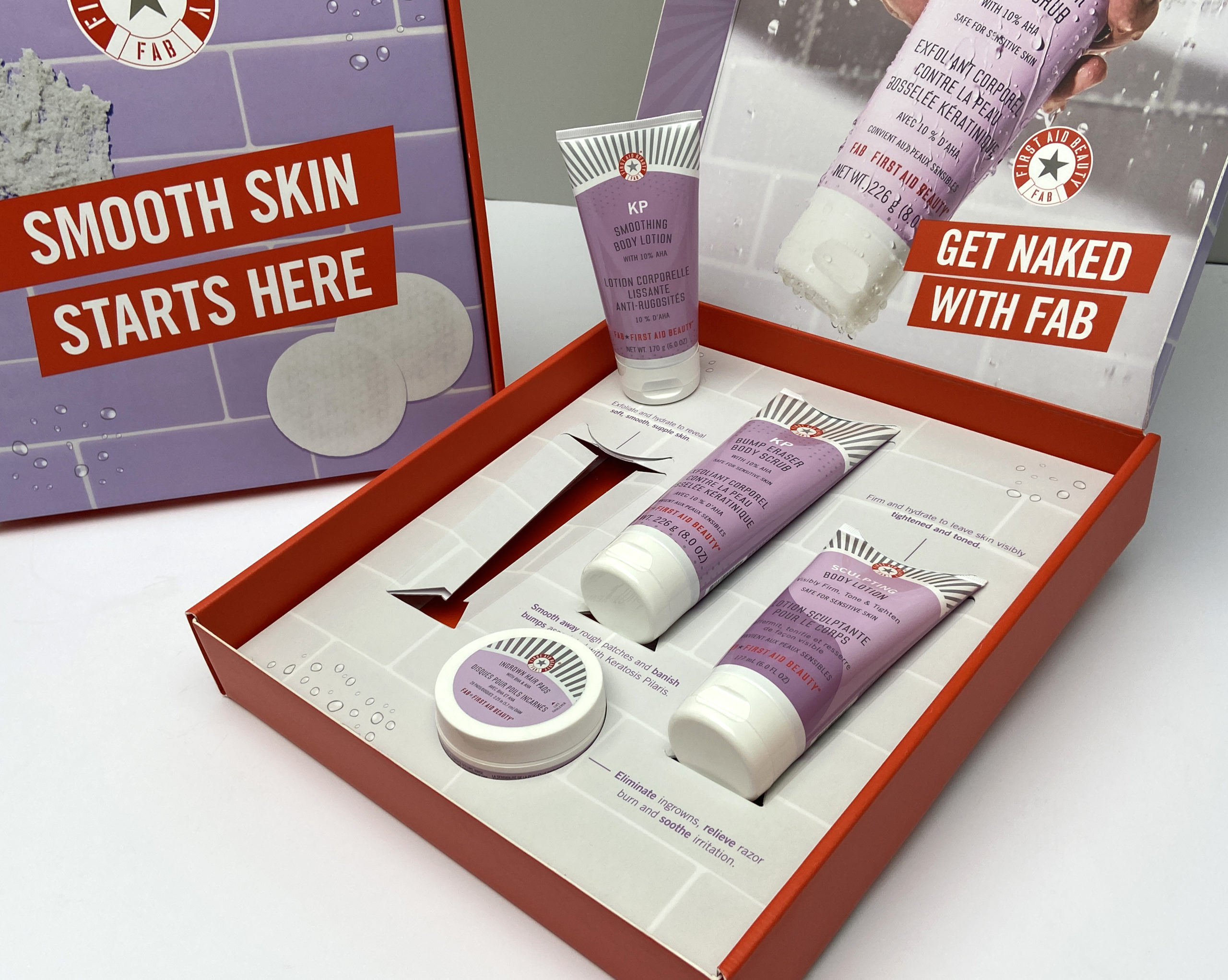
Who says packaging has to be a boring box? Develop a custom program for your influencers and best customers that includes product samples and promotional items to achieve a powerful unboxing experience.
Cut-Outs

Sometimes marketing is serious, and other times you can engage your audience and build goodwill simply by letting people have fun. Create an element of whimsy with life-size cutouts of the boss, celebrities, or sports figures. Create openings for participants to peek through their faces and encourage them to take silly pictures and post them on social media.

Display Stands 

Why spread marketing materials out on a flat table when you can create a one-of-a-kind display? 3D stands are lightweight and can be moved around as needed. They add a splash of color, an element of dimension, and attention-grabbing power.

Who says print marketing has to be flat or forgettable? Ready to get creative and discover the impact of going dimensional with your print? Contact our team today to get started.

Use these tactics to drive engagement, build trust, and deliver results with the power of direct mail.

The national direct mail database, Who’s Mailing What! (WMW!), recently analyzed its database of more than 130,000 mail pieces to find the strongest, most consistent direct mail trends over the past 20 years. Here’s the five most relevant trends that businesses can apply to their direct marketing strategy today.

#1. Postcards are on the Rise

Between 2009-2021, the number of postcards being mailed increased by approximately 20%, while self-mailers and envelopes declined slightly. And the United States Postal Service recently created an additional incentive to use First-Class Postcards by increasing the maximum size to 6 inches by 9 inches. This trend is in line with the next one, which is…

#2. Businesses are Using Less Copy

Over the past 20 years, WMW! found that the number of words used in direct mail pieces has declined on average by 62%. Direct mail is also using shorter sentences, more concise paragraphs, and bullet points to catch readers’ attention. Many campaigns have replaced text with images, charts, and graphics that provide quick, easy comprehension in today’s fast-paced world. 

#3. Focus on Print-to-Digital

Whether marketers are engaging their audiences with QR Codes or driving them online to their websites or social media channels, the interaction between print and digital channels is sky-rocketing. The use of personalized URLs (PURLs), QR Codes and digital CTAs such as “follow us” or “visit our website” have doubled in the past four years.

#4. Sustainability Messaging is HOT

Buyers care about the environment, and they appreciate brands that show they care, too. The WMW! database was established 20 years ago, and of all the direct mail pieces that contain a sustainability message, 75% of them were in the last five years. The trend with sustainability awareness appears to only be growing in importance with consumers.

#5. Even Young Companies are Using Direct Mail

When WMW! looked at the age of the companies in the direct mail database, it found that the percentage of companies established in the 1980s, 1990s, 2000s, and 2010s was nearly identical. In fact, many of the (seemingly) online-only brands such as Uber, DoorDash and Google are using direct mail. 

Although many people believed that direct mail would soon have been a thing of the past, it has remained strong, even in the digital age. Reasons being:

The bottom line is that direct mail works!  Factoring these 5 trends into your direct mail strategy can help you increase engagement with your audience and get the most out of this trusted marketing channel.

Not sure which direct mail option is best for your brand? Hatteras is proud to offer a wide variety of solutions including:

Let Hatteras help you explore high-impact direct mail for your next marketing campaign. Contact our team today to get started.

Make a positive impact on the environment AND your budget thanks to the Circular Design model.

As you start planning your print marketing initiatives, there’s one big consideration for your business that can help you cut costs, reduce waste, and even help planet Earth!

“Circular Design” is based on the larger concept of the circular economy, which tackles global challenges like climate change, waste, and pollution by transitioning from a linear economy (make, use, dispose/waste) to a circular one (recycle, reuse, repurpose). This allows businesses and consumers to make the most of our natural resources and tackle these challenges together.

Love the idea? We do, too! Below are five elements of circular design that may lead you to look at your printed materials differently.

#1. Sourcing

Are your materials – whether paper, paperboard, or signage substrates – responsibly sourced? When it comes to paper-based substrates, do you know where and how the fiber was harvested? If the substrates are made from petroleum – are there other, more earth-friendly alternatives? For example, did you know there are paper-based options even for Outdoor signage that will still meet criteria for durability and weather-resistance? Starting your circular design strategy at sourcing will positively impact the rest of your business.

#2. Production Processes

What type of presses are being used to print your projects? 

Digital presses eliminate on-press chemistry and reduce environmental impact, but there are sustainable processes for offset printing, as well. Is your print provider using smart impositions and batching to minimize paper waste? Can you use soft (or online) proofing to eliminate the environmental impact of printing and physically delivering a hard-copy proof? It’s always a good idea to discuss the production processes and sustainable alternatives with your print partner.

#3. Delivery

Once your materials are printed to reduce negative impacts on the planet, it’s time to consider if they’re being transported in an environmentally-friendly way.  Whether you’re printing packaging or signage, you might want to consider using substrates that are lighter in weight to reduce not only the amount of materials used, but also the amount of fuel used to transport the products. This effort of “right-sizing” your print is good on the environment as well as your budget. 

#4. Consumption 

Another factor to consider is just how your materials are being used by consumers. Circular design takes into consideration things such as bulk packaging over single-use packaging to minimize the amount of product that needs to be recycled or that goes into a landfill.

#5. Recovery 

The final piece to consider is what will happen to the products once they have been used. Choosing recyclable substrates is one thing, but encouraging (and making it easy for) consumers to recycle them is another. While many types of plastic signage, such as Coroplast, can be recycled, many people will simply put them in the trash. Where possible, consider using paper-based options or adding a recycling logo to let people know they can be recycled. Some companies encourage their customers not to recycle their packaging and other materials, but to compost them instead.

By taking into consideration these five principles of Circular Design, you can go a long way toward designing print programs that are friendly to the earth. And, because they involve reducing waste, they can often save you money, too!  As you move forward into 2022, reducing your business’ carbon footprint is not only an obtainable resolution, but one that future generations will thank you for. 

Hatteras has made it a core mission to be ecologically responsible by providing high-quality, sustainable solutions to our clients and to the markets our clients serve. Let Hatteras help you explore sustainable options for your next project.Contact our team today to get started.

You’ve probably heard about the many benefits of online storefronts. Or maybe you’ve heard of them as “e-commerce portals,” “branded portals,” or ”web-to-print portals.” Whatever you call them, these useful tools allow you to store, manage, and customize your print projects online.

Want to enable store managers to create their own promotions without compromising the brand? Offer online templates for signage, collateral and direct mail with all of the branded elements locked down.

Need to regularly update prices, swap-out images, or tweak the copy in catalogs and company literature? Ditch your warehoused inventory, keep products updated in real time, and print as you go – or, manage your print-on-demand and inventory items through one seamless experience.

Need 500 personalized copies of a product brochure? Order them on-demand without ever speaking to a salesperson or customer service rep. 

REVIEW & REPORT

The print-on-demand benefits of these portals are endless. But there are other benefits, too, such as full visibility into inventory and ordering, that are less understood and under-utilized. With customizable reports, you can gain full visibility into which products are being ordered, when, and by whom. You can select monthly, quarterly, or annual reports, and you can get information in real-time, too.

With most online portals, you can access reports 24 hours a day, seven days a week, and even automate standard or customized reports so you receive them automatically in your inbox. Take advantage! Use the information to optimize your library and get the most out of the marketing materials that you have invested in.

MANAGE & MODIFY

For example, is there a brochure that is not moving? If so, this knowledge gives you the opportunity to ask why. Is it a new product that you haven’t promoted properly, so it isn’t being used because users do not realize it is there? Is it an old product that isn’t being used because it needs to be updated? Has the brochure become irrelevant? Does it simply need to be removed from the system? 

Just because something is slow moving does not mean it needs to be removed, however. For some slow-moving sellers, you may simply want to move them to print-on-demand to free up warehousing space. Or, conversely, you may find that certain products are now selling like gangbusters, so you want to move them from POD to bulk prints to be picked and packed from the warehouse. 

TRAIN & IMPROVE

You can also identify opportunities based on user behavior. Say you sell your products through distributors, and sales of several of the distributors are lagging. You check their order history and find that they order fewer marketing materials than other distributors. You set up a training session on how to use these materials, provide incentives for ordering them, and lo and behold! Sales start to increase.


Web-based portals can help companies and marketers simplify the print buying, tracking and fulfillment process, while providing a centralized collaboration tool for making smart, data-driven decisions. 

Learn about Hatteras’ proprietary web-based portal, Navigator, or reach out to us at connect@hatteras.us.

When it comes to sustainability in packaging, there are a number of reasons why CPG brands should “go green” — from consumer perception, to reducing your carbon footprint.

More and more consumers are letting brands know that they care about the environment and choose products that align with their values. So, for consumer packaged goods manufacturers (CPG’s), it’s important to explore more sustainable solutions for your packaging (if you’re not already) in order to create a stronger connection with your audience — while minimizing your impact on the environment.

With research showing a shift towards a more environmentally-aware consumer market, below are four reasons why you should be introducing more sustainable elements into your brand packaging. 

1. You get props for paper.

Overwhelmingly, paper and cardboard are preferred by consumers because of their sustainability. Specifically, buyers see paper-based substrates as better for the environment (66%), easier to recycle (51%), and consumers also rate paper and paperboard tops for safety and ease of use. They also see paper as best for communicating product information and for creating a better brand image.

2. There is a shift away from plastics.

Not only is there a preference for paper-based substrates, but there is movement away from plastic. More than half (57%) of consumers surveyed are actively taking steps to reduce their use of plastic packaging. More than one-third (36%) would avoid retailers not actively trying to reduce their use of non-recyclable plastic packaging.

3. Shipping matters.

Buyers’ preference for paper and cardboard extends to shipping, as well. More than half (57%) want their products to be delivered in paper packaging rather than plastic. Choose boxes with branded labels over envelopes and make sure that the box is fitted properly. Seventy percent of buyers prefer products to be delivered in packaging that is “right sized” for the product(s) inside.

4. Environmental symbols matter, too.

Sustainable packing is a great starting point, but purchasing from sustainable sources is an excellent way to make your company “greener!” Most buyers are familiar with at least one of the following environmental labels: Sustainable Forestry Initiative (SFI), 54%; Forest Stewardship Council (FSC), 45%; and Programme for the Endorsement of Forest Certification (PEFC), 42%. The well-known “recycling” symbol (“the Mobius Loop”) is recognized by 90% of consumers and is rated as being the most important.

The bottom line is that consumers are becoming more environmentally-aware and expressing a preference towards more sustainable products. Luckily for brands that can utilize paper for their packaging, there’s many ways to incorporate sustainable elements into your packaging while demonstrating your commitment to the environment. 

Source: Data taken from “U.S. Packaging Preferences 2020” (Two Sides North America)

********

Hatteras has made it a core mission to be ecologically responsible by providing high-quality, sustainable solutions to our clients and to the markets our clients serve. Let Hatteras help you explore sustainable options for your next print project. Contact our team today to get started. .

Looking to provide consumers with a safe, easy way to connect to your brand or marketing information in a mobile environment? We’ll show you how to use QR codes to create a seamless, multi-channel brand experience right from your printed pieces.

The Resurgence of QR Codes

From retail graphics to packaging and a myriad of print formats in between — QR Codes (or Quick Response Codes) are shortcuts that can be used to seamlessly connect consumers from printed materials to digital media. QR codes have been around for many years, but the COVID-19 pandemic created a big resurgence. Businesses from major retailers and event venues to local coffee bars increased the use of QR codes to provide an easy — and touchless — way to engage with their customers, and those benefits will last long after the pandemic is over.

In the past, people would need to download a QR code reader to their phones in order to scan them (and those with older phones may still need to do so). But today, most newer mobile phones have QR code readers built in, making the process easy which is probably the reason why adoption of QR codes was so strong during the pandemic.

To use QR codes, consumers simply open the camera app on their smartphones, point the camera at the code, and the camera’s browser will instantly recognize the code and take them to a website. What was once a static, printed medium suddenly becomes a dynamic, interactive one for consumers!

The Benefits for Using QR Codes 

One of the reasons QR codes can be so impactful is that they capture viewers at the very moment of interest. As soon as consumers’ attention is piqued, they can act on the information right away. And the best part is that you don’t lose eyeballs by asking people to manually input URLs or scribble them down onto a piece of paper that might get lost. The experience is seamless.

Since QR codes bring consumers directly to websites, they provide an easy way to track interest level and conversions among mobile audiences. How many people scanned the code in the brochure you mailed out after the virtual trade show? Were mobile users more likely to respond to your promotion from the local newspaper or regional lifestyle magazine? Do people really pay attention to window clings? With QR codes added, more of your printed materials can now be used as powerful marketing tools for driving digital engagement and possibly even sales.

QR Code Uses for the Everyday Consumer 

The beauty of QR codes is that they can be used at any point in the consumer journey. Below are just a few examples of how your brand can connect with consumers with the use of QR codes:

Direct Mail – Whether included in postcards, newsletters, promotional kits or other forms of direct mail marketing — users can transition from a tangible touchpoint directly to a digital destination. For example, realtors can send people postcards with QR codes that link them to virtual tours of specific homes in their area. Outdoor & Event Graphics – Whether used at a trade show or in out-of-home advertising, QR codes can be included in your graphics to direct consumers to learn more about your brand, to claim a discount, to contact your business, or to simply enhance the visual experience. Packaging – Your brand’s packaging should aim to create a positive first impression with a consumer. But when paired with a QR code, you’re able to expand on your brand story by sharing more details about your product, how it’s sourced, or other values and offerings. For example, a beauty brand may want to show a video of how their products are cruelty-free and safely-made, while a spirits brand may want to provide a holiday cocktail recipe. By easily providing ways for consumers to engage and interact, they’re more likely to have a positive experience and build a lasting relationship with your brand.
Retail Windows – Businesses are awakening to a powerful but overlooked marketing channel — their own windows! By adding QR codes to their street-facing graphics, they can engage shoppers even before they enter the store — something to consider especially during the holiday season. A great example of this would be to include your social media handles on a QR code which reads, “Scan the Code to Follow Us for Deals & Offers!” By creating a digital experience before consumers step through your door, they’re likely to already feel connected to your business which may inspire them to make a purchase or visit again.

Getting Started with QR Codes

QR codes offer marketers an additional way to engage with consumers, while seamlessly bridging the gap between print and digital mediums. Let Team Hatteras help you make the most of your print-based marketing.

Contact us today to get started.

It’s been over two years since the Graphic Arts Association (GAA) held its annual Neographics Awards Ceremony, with the COVID-19 pandemic disrupting its regular 2020 schedule. But the GAA came back strong this year, hosting a ‘spooktacular’ event in which Hatteras won ‘Best in Category’ (Presentation Kits) for its submission of the De La Viuda® Hot Sauce Sampling and Influencer Kit

Team Hatteras (Left to Right: Patrick Pegler, Savannah Werner, Arissa Dickison, Michael Noerr, Marisol Tello, Morgan Sprengel, Eriona Gjylameti)

The announcement was made on October 14, 2021 during the GAA’s Neographics Awards Ceremony held at the Cescaphe Ballroom in Philadelphia, where hundreds of printing and graphic arts professionals assembled to represent some of their best work from 2020 and 2021.

“It’s always a special moment when the Hatteras team is formally recognized for our hard work and commitment to excellence,” said Hatteras’ Director of Customer Success, Morgan Sprengel, who attended the event. “We’d also like to thank NJ-based ad agency, Spitball,.for bringing this exciting project to Hatteras and allowing us to demonstrate our creativity and production expertise.”
The sampling kit was created for the La Viuda Food Company.who wanted to create an impactful way to introduce their new hot sauces to influencers in the food and media industries. More information about this custom kit can be found here.along with a time-lapse video of the kit being assembled by Hatteras staff.Hosted by Philadelphia-based Graphic Arts Association. the Neographics’ Power of Print Competition is the nation’s largest regional graphic communications competition, and is dedicated to recognizing the highest level of quality and service within the print industry, with call for entries sent to more than 5,000 companies each year.

* * * * * *
For nearly 40 years, Hatteras has been helping companies communicate their brand story through the power of print.

Let us help you communicate your brand story.

More and more marketers are investing in creating brand experiences that are delivered right to a consumer’s doorstep — a physical touchpoint that engages all the senses, creating a memorable moment that a digital communication just can’t provide. One area that has become a big focus with direct marketers and CRM professionals is custom packaging, specifically, influencer and product sampling kits, new customer welcome kits, and other customized solutions that are designed to make an impact and drive results.

Packaging in general has always been considered an important way to influence a consumer’s first impression of a brand — an opportunity to communicate a message and capture consumer attention outside of and around a product.

With the explosive growth of influencer marketing paired with social media, the unboxing experience of brand packaging has grown more important than ever. Countless unboxing videos have been posted by consumers on YouTube, and given it’s the second most popular search engine behind Google, marketers will want to ensure their products appear at the top of those search results. 

So for brands, the manner in which you ‘package-up’ that customer experience needs to be well-designed and well-planned to ensure you’re creating that memorable — and shareable — moment.

But before you set out to create a marketing campaign involving some form of customized packaging, there’s a few things you should consider from a design, production and budgeting standpoint to make sure your project is set on a course for success. Below are some of Hatteras’ tips for planning a successful custom packaging program.

1. Consider Your ‘Why’

Prior to starting the design process and the many planning and production steps that follow, it’s important to consider your ‘why’, which is your main objective and the result you want to achieve in creating a custom package or branded kit. Some reasons may include:

While you may want to do some or even all of the above, knowing this first and foremost will help you and our team design a product that sets out to accomplish specific goals. 

2. Decide What Will Be Included

In order for your branded kit to be unique and produced to your exact needs, you’ll need to first nail down what products and other items you’d like to include in the box.

Once you’ve decided, you should send the actual products or other client-supplied components to your print partner so they can build a custom package around those items and ensure the final kit matches the dimensions of your products exactly. The printer will also consider the final weight and size of the box in determining which substrates to use that will be strong enough to protect your box and its contents during transit.

Some other considerations include: Will the package have a personalized message for each recipient? Will there be multiple versions of the kit, such as a larger kit with its own product set for your most loyal customers and a smaller version for another segment? All of these variables will be used in planning the kit and determining the cost, which takes us to the next step.

3. Determine Your Budget

It’s important that you establish an overall budget for your kit including production and distribution costs — and share it with your print partner so they can present different solutions within a specific cost framework. It also helps to manage expectations early in the concepting stages so there are no surprises later on. 

Once a budget is determined, you can explore different features and approaches for your custom kit with your printer. For example, do you want special finishes such as embossing, foil stamping or lamination? Would you like a magnetic closure which adds to the opening (and closing) experience? Do you want the boxes overnighted via FedEx or would you prefer using a more economical method? 

Keep in mind that these are customized kits that you’re building an experience around, vs. buying them off the shelf from a supplies company, so you’ll want to plan a budget accordingly. 

4. Request a Prototype

Once you have the design concept and components nailed down, it’s important that you have a prototype of the kit made. This is one of the most critical steps in the planning process, because it allows you to see a physical ‘mockup’ of the kit and how it will function before going into production. A prototype essentially bridges the gap between design concept and finished product.

Typically, a prototyping engineer will construct a prototype using the agreed-upon materials of the kit but without any printing or finishing such as embossing or coatings.

Check out a behind-the-scenes video.of the prototyping process.

5. Create a Schedule

There are many steps that take place between when the final design is ready to when the kit is produced, assembled, and ready for shipment. When preparing a schedule, the best place to start is at the end— which is the ‘in-home date,’ or day you’d like your kits to arrive at their final destination. 

Using this date, your printer will create a work-back schedule with milestones along the way to ensure the production of your kit stays on track and meets your desired launch date. Key milestones include art hand-offs, proof approvals, and deadlines for any client-supplied materials such as products and mailing lists (if applicable). 

6. Prepare to Ship 

Ideally your print partner has the ability to assemble and fulfill your promotional kits under one roof, which helps to maximize speed-to-market and reduce costs.

After the kits are assembled, the final step is deciding how you’d like them delivered. Do you want to mail them directly to recipients’ homes? Will they be drop-shipped to a single location or bulk-packed to a warehouse for further distribution?

Remember that part of the unboxing experience is how the kit is prepared for shipment and received by the consumer. Depending upon the weight and size of the final kit, it’s possible that the outer branded box can also serve as the shipping box, which creates a nice visual touchpoint while also reducing costs by eliminating the need for a plain, cardboard shipping box. 

Ready to make a memorable branded kit?

Custom packaging and promotional kits provide a unique way for you to deliver a physical brand experience for your loyal customers or target audience. With a little creativity and some careful planning, you can develop a program that’s designed for success and becomes an integral part of the customer journey.

As your full-service printing partner, Hatteras can help you explore different options and guide you from the initial concepting and prototyping stages all the way through to final production and delivery. 

Contact our team today to get started.

Most marketers know that consumers have come to expect more personalized experiences around the brands they choose to engage with. In a time when consumers are bombarded with hundreds to thousands of messages per day, today’s marketing needs to break through the clutter and resonate with consumers on a more personal level in order to more effectively attract and retain their business.

According to studies by the Data & Marketing Association (DMA), targeting customers on a 1-to-1 level increases response rates by up to 50% or more. But executing a large, personalized direct mail campaign that needs to get into market quickly may seem like a daunting task to some marketers.

This is where introducing variable content into your direct mail program can allow you to create highly targeted communications and transform your one-size-fits-all strategy into a personalized message for each individual.

What is Variable Data?

Variable Data Printing is an automated personalization technique that uses information collected from marketing lists, CRM’s and other sources to personalize each piece through the digital printing process. Pre-defined image and text areas of each mailpiece are populated with different combinations of content that’s pulled from the marketer’s database. Imagery is supplied to the printer in the form of an asset library and mapped to each individual, so that it outputs as each piece prints, instead of treating each mailer “version” as its own separate print run.

This provides marketers with the unique ability to personalize each piece to every recipient – whether it’s going to one hundred or one million people – within a single, streamlined printing process. The result is a mass-produced but completely customized, highly targeted and relevant message that is more likely to convert, and in turn, increase ROI.

According to Canon Solutions America, simply adding a person’s name and full color can increase response by up to 135%, and more sophisticated database information can increase the response rate by up to 500% versus not doing any of these things. 

For example, consider how you feel and react to a letter addressed “Current Resident” compared to a letter addressed with your name. You’re much more likely to open the one directed to you, right? It’s no surprise that seeing your name grabs your attention, but the power of variable content goes well beyond just your name or personalized text. Visuals and messaging are added based on an array of factors and customer insights, so the content more directly appeals to their interests, wants, and needs of each person.

Does Variable Data Make Sense for MY Business?

If you’re wondering if variable content would work for your business, the answer is most likely yes! Nearly any industry can leverage the power of variable content in their direct marketing strategy. Some examples include:

A Fashion Retailer can use customers’ previous online engagement with the brand or in-store purchase history to feature imagery and descriptions of other products they are likely to be interested in.A Real Estate Company can use geographic data to include local agents’ information and homes sold in specific regions to target homeowners in the corresponding region.A Utilities Company can present unique products and offers based on service history.An Automotive Company can incorporate images of each owner’s specific car model, and show maps of the closest locations for service.

Variable content can also complement existing marketing efforts to further strengthen the message and results. To pair with digital marketing, a variable content mailer can feature a specific online coupon code or a QR code that directs to a customized landing page. Or, you can leverage the power of time and automation by incorporating variable content into a trigger mail campaign. Trigger mailings create impact by sending the personalized message at the right time, whether it is a follow up to previous correspondence, check-in on a yearly renewal, launching a new product, or other time-sensitive events.

The possibilities variable content presents to marketers are endless!  With successful experience creating impactful and engaging direct mail campaigns, Hatteras is here to help you build variable content into your next campaign.

Reach out to learn more and see some examples.

Designed & Developed by Netwave Interactive